
10 Jul
Support Child Education India: Why Every Contribution Creates a Brighter Tomorrow
Education is one of the strongest foundations for building a prosperous society. When individuals, communities, and organizations support child education India, they help children break the cycle of poverty and gain access to better opportunities. Millions of children across the country still face challenges such as financial hardship, lack of educational resources, inadequate infrastructure, and limited access to quality schools. By choosing to support child education India, people help create confident, skilled, and self-reliant future citizens who can positively influence society.
The Current State of Child Education in India
India has made significant progress in improving literacy rates over the past few decades. Government initiatives, educational reforms, and nonprofit organizations have expanded access to primary education in many rural and urban areas.
According to a recent UNICEF education report, India has one of the largest school-going populations in the world, with more than 250 million students enrolled in schools. However, many children still struggle to complete their education due to financial instability, family responsibilities, migration, child labor, and lack of learning resources.
These challenges highlight why continuous efforts from society remain essential.
Why Education Changes Lives
Education is much more than learning to read and write. It empowers children with knowledge, confidence, and life skills that prepare them for adulthood.
Some of the biggest benefits include:
- Improved employment opportunities
- Better financial independence
- Reduced poverty levels
- Increased gender equality
- Better healthcare awareness
- Stronger decision-making abilities
- Greater social responsibility
- Enhanced confidence and communication skills
When communities support child education India, they invest not only in individual children but also in the nation's long-term economic and social development.
Challenges Faced by Underprivileged Children
Despite improvements, many children still encounter obstacles that interrupt their education.
Financial Constraints
Families with limited income often prioritize daily survival over education expenses. School uniforms, books, transportation, and examination fees become difficult to afford.
Lack of Learning Materials
Many children attend school without proper notebooks, stationery, school bags, or textbooks, affecting their learning experience.
Child Labor
Gender Inequality
Although progress has been made, girls in several regions continue to face barriers to completing their education.
Poor Educational Infrastructure
Remote villages often lack adequate classrooms, qualified teachers, libraries, digital learning facilities, and sanitation infrastructure.
Addressing these issues requires collaborative action from governments, educators, NGOs, businesses, and responsible citizens to support child education India.
How NGOs Help Improve Educational Access
Their educational initiatives often include:
- School admissions
- Educational sponsorship
- Distribution of school bags
- Books and stationery support
- Digital learning programs
- Scholarship assistance
- Career guidance
- Nutrition support
- Teacher development programs
- Awareness campaigns for parents
These efforts complement public education systems and help bridge educational inequalities across communities.
Support Child Education India: Long-term Impact
Children who receive continuous educational support often experience better outcomes throughout life.
Long-term benefits include:
- Higher graduation rates
- Increased employability
- Better family income
- Improved health awareness
- Stronger civic participation
- Reduced social inequality
- Greater innovation and entrepreneurship
When people support child education India, they contribute to sustainable development that benefits generations to come.
Ways Individuals Can Contribute
Supporting education does not always require large financial contributions. Even small acts can make a meaningful difference.
You can help by:
- Sponsoring school supplies
- Donating educational materials
- Funding scholarships
- Supporting digital classrooms
- Volunteering as a mentor
- Teaching life skills
- Encouraging reading habits
- Promoting educational awareness within your community
Collective participation creates stronger educational ecosystems for children who need encouragement and resources.
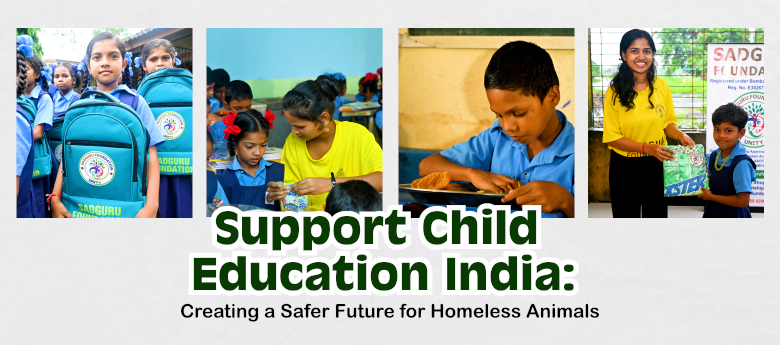
How Sadguru Foundation Supports Child Education
Sadguru Foundation is committed to empowering underprivileged children through education-focused initiatives that promote equal opportunities for learning and growth.
The organization works to remove barriers that prevent children from receiving quality education by organizing programs that include:
- School bag distribution drives
- Stationery kit donations
- Educational awareness campaigns
- Support for children from economically weaker families
- Community-based educational initiatives
- Learning resource distribution
- Seasonal education support programs
These initiatives help children remain connected to their education while encouraging families to prioritize long-term learning.
By partnering with compassionate donors, volunteers, and socially responsible organizations, Sadguru Foundation continues expanding its educational outreach across underserved communities. Every contribution, whether big or small, helps provide children with the tools they need to build a better future.
If more individuals choose to support child education India, organizations like Sadguru Foundation can reach even more children who deserve equal opportunities to learn, grow, and succeed.
Why Corporate CSR Matters
Companies can support education by:
- Funding school infrastructure
- Sponsoring scholarships
- Providing digital learning equipment
- Supporting vocational training
- Organizing employee volunteering programs
- Partnering with credible NGOs
Such collaborations create lasting social impact while strengthening community development.
Every Child Deserves the Opportunity to Learn
Education has the power to transform lives, strengthen families, and build stronger communities. Every child deserves access to safe learning environments, quality education, and opportunities to realize their full potential.
When citizens, businesses, educational institutions, and nonprofit organizations work together to support child education India, the country moves closer to a future where every child can dream without limitations. Small acts of generosity today become the foundation for tomorrow's doctors, teachers, engineers, artists, scientists, and leaders.
Sadguru Foundation believes that education is the most meaningful investment in humanity. Through collective compassion and sustained support, we can ensure that every child receives the opportunity to learn, grow, and build a brighter future. By choosing to support child education India, you become part of a movement that creates lasting change—one child, one classroom, and one future at a time.
