
21 Apr
Most Trusted Charities: How to Identify Them
In today’s interconnected world, individuals and organizations alike are increasingly looking to support the most trusted charities that deliver real, measurable change.
Whether it’s through donations, partnerships, or corporate social responsibility (CSR) initiatives, the goal is not just to give—but to give effectively. However, with thousands of nonprofit organizations operating globally, identifying the ones that truly uphold transparency, accountability, and impact can be challenging.
This guide will help you understand what defines trust in the nonprofit sector and how to choose organizations that align with both ethical standards and long-term impact goals.
Why Trust Matters in Charitable Giving
Trust is the cornerstone of philanthropy. Donors and collaborators need assurance that their contributions are being used responsibly and reaching the intended beneficiaries. The most trusted charities distinguish themselves by maintaining high levels of transparency, regularly reporting their activities, and demonstrating measurable outcomes.
Organizations that lack accountability not only risk misusing funds but also damage the credibility of the entire nonprofit ecosystem. This is why due diligence has become essential before engaging with any charity, especially for institutions or businesses seeking long-term partnerships.
Key Characteristics of Reliable Charities
1. Transparency in Operations
One of the primary indicators of the most trusted charities is their openness about how funds are allocated. This includes publishing annual reports, audited financial statements, and detailed program breakdowns.
2. Proven Impact
Reliable organizations focus on outcomes, not just activities. They measure success through tangible results—such as the number of beneficiaries helped, improvements in quality of life, or sustainable community development.
3. Ethical Governance
Strong leadership and governance frameworks ensure that decisions are made responsibly. The most trusted charities often have a board of directors that oversees operations and ensures compliance with legal and ethical standards.
4. Community-Centric Approach
Effective nonprofits work closely with the communities they serve. Rather than imposing solutions, they understand local needs and create programs that empower individuals and families.
5. Consistent Communication
Regular updates, newsletters, and impact stories help build confidence among donors and partners. Organizations that communicate consistently are more likely to be among the most trusted charities globally.
The Role of CSR in Strengthening Social Impact
Corporate Social Responsibility (CSR) has evolved beyond a compliance requirement into a strategic initiative for businesses worldwide. Companies are increasingly seeking partnerships with the most trusted charities to ensure their contributions create meaningful and lasting impact.
Such collaborations often focus on areas like:
Education and skill development
Healthcare and nutrition
Women empowerment
Elderly care and social welfare
Environmental sustainability
By aligning with credible nonprofits, organizations can extend their impact beyond business operations while also reinforcing their brand values.
Evaluating Charities Before You Engage
Before choosing a nonprofit for collaboration or support, consider the following steps:
Research Their Background
Look into the organization’s history, mission, and past initiatives. The most trusted charities typically have a consistent track record of delivering results.
Verify Legal Compliance
Ensure the organization is registered and compliant with relevant laws and regulations in its operating region.
Review Financial Health
Analyze how funds are distributed. A significant portion should go toward programs rather than administrative expenses.
Assess Long-Term Vision
Short-term aid is important, but sustainable impact requires long-term planning. The most trusted charities focus on creating self-reliant communities.
A Holistic Approach to Social Good
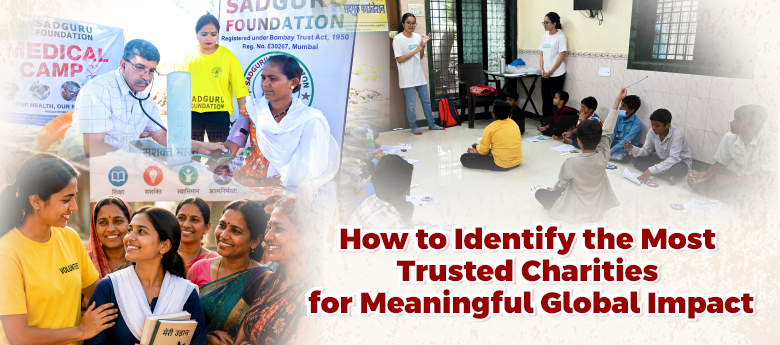
Organizations like Sadguru Foundation exemplify a balanced approach to social impact by working across multiple sectors such as education, elderly care, and community welfare. Their initiatives are designed not only to provide immediate relief but also to foster dignity, independence, and long-term development.
Such nonprofits quietly contribute to global welfare by maintaining transparency and focusing on grassroots-level change. While not always in the spotlight, they represent the values that define the most trusted charities—commitment, compassion, and credibility.
Global Trends in Charitable Trust and Giving
The landscape of philanthropy is evolving rapidly. Today, donors and institutions are more informed and selective. Some key trends include:
Data-Driven Giving: Donors now rely on data and impact reports before making decisions.
Collaborative Efforts: Partnerships between nonprofits, governments, and private entities are increasing.
Digital Transparency: Online platforms and real-time updates have made it easier to track how funds are used.
Focus on Sustainability: There is a growing emphasis on long-term solutions rather than temporary relief.
These trends are shaping the future of philanthropy and raising the standards for what qualifies as the top trusted charities.
Building Meaningful Partnerships
For organizations exploring collaborations, the focus should be on alignment of values rather than just visibility. The most trusted charities often prioritize impact over promotion, making them ideal partners for those seeking genuine social change.
A thoughtful partnership involves:
Clear communication of goals
Defined impact metrics
Mutual accountability
Long-term commitment
When these elements come together, the result is not just a successful initiative but a sustainable model for future collaboration.
Conclusion
Choosing the right nonprofit partner or donation channel is a decision that requires careful consideration. The trusted charities are those that consistently demonstrate transparency, measurable impact, and a deep commitment to the communities they serve.
As global awareness around responsible giving continues to grow, both individuals and organizations have an opportunity to contribute meaningfully. By supporting credible and ethical nonprofits, you ensure that every effort—whether financial or collaborative—creates real and lasting change in the world.
In the end, trust is not just earned through words but through consistent action, and that is what truly defines the organizations making a difference today.
