
30 Sep
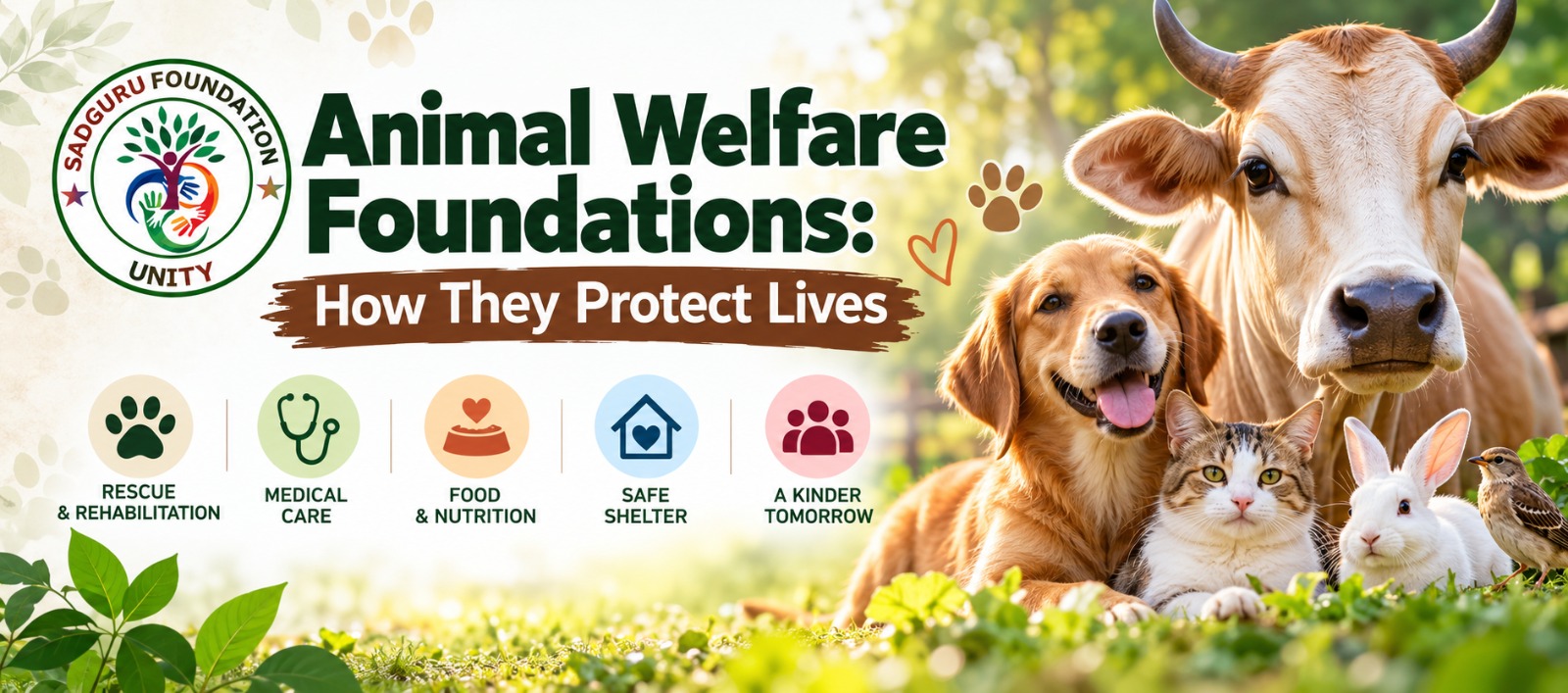
Animal Welfare Foundations: How They Protect Lives
Animals depend on human communities for protection, responsible care and timely intervention when they are injured, abandoned or exposed to unsafe conditions. Animal welfare foundations play an important role in addressing these needs through rescue services, veterinary assistance, shelter, feeding programmes, awareness campaigns and community participation. Animal welfare is not limited to preventing cruelty; it also involves creating conditions in which animals can remain healthy, safe, comfortable and able to express normal behaviour. The World Organisation for Animal Health (WOAH) defines animal welfare in relation to an animal's physical and mental state and highlights the importance of health, nutrition, shelter, humane handling and veterinary care.
What Is Animal Welfare?
Animal welfare refers to the overall physical and mental well-being of an animal. It includes protection from unnecessary pain, injury, hunger, thirst, fear, disease and unsuitable living conditions.
The internationally recognised Five Freedoms provide a useful framework for understanding animal welfare:
- Freedom from hunger, malnutrition and thirst
- Freedom from fear and distress
- Freedom from physical and thermal discomfort
- Freedom from pain, injury and disease
- Freedom to express normal patterns of behaviour
These principles are used as important guidance in discussions about responsible animal care in animal welfare foundations.
What Do Animal Welfare Foundations Do?
The activities of animal welfare foundations can vary depending on their resources, location and the animals they serve. However, several areas are common across professional animal welfare programmes.
1. Animal Rescue
Rescue teams may respond to animals that have suffered accidents, injuries, abandonment, or neglect. Rapid intervention can help prevent further suffering and provide access to veterinary treatment.
Rescue work may involve:
- Locating injured animals
- Safe transportation
- Emergency first aid
- Veterinary referrals
- Temporary shelter
- Rehabilitation
- Adoption or responsible rehoming where appropriate
Rescue should be carried out using methods appropriate to the species and situation because poorly planned intervention can create additional stress or injury.
2. Veterinary Treatment
Medical care is one of the most important components of animal welfare foundations. Animals can suffer from wounds, infections, parasites, malnutrition, fractures and chronic illnesses.
Effective welfare programmes may therefore include veterinary consultations, vaccinations, wound management, medicines, diagnostic support and follow-up treatment in animal welfare foundations.
WOAH's animal welfare guidance specifically identifies disease prevention and appropriate veterinary care as essential components of good welfare.
3. Food, Water and Shelter
Access to adequate nutrition and clean water is fundamental. Vulnerable animals may require regular feeding when they cannot obtain sufficient food independently.
Shelter is equally important for any animal welfare foundations. Outdoor animals can be exposed to extreme heat, cold, rain and other environmental hazards. Appropriate shelter can reduce physical discomfort and exposure-related health risks.
4. Stray and Community Animal Support
Community animals often require a combination of feeding, medical treatment, sterilisation-related programmes, vaccination, responsible population management and public awareness.
Animal welfare organisations can also help communities understand how to interact safely and humanely with animals. Education is particularly important because long-term welfare improvements cannot depend entirely on rescue operations.
5. Awareness and Education
One of the most sustainable approaches to animal welfare foundations is prevention.
Educational initiatives can address:
- Responsible pet ownership
- Safe interaction with stray animals
- Reporting cruelty
- Responsible feeding practices
- Veterinary care
- Adoption and rehoming
- Animal-friendly community practices
- Disaster preparedness for animals
The Animal Welfare Board of India is a statutory advisory body that works on animal welfare laws and promotes animal welfare in India. Its mandate includes preventing unnecessary pain or suffering and advising authorities on measures related to animal care and protection.
Why Is Animal Welfare Important?
Animal welfare has ethical, social, health, and environmental dimensions. Poor welfare can result in preventable pain, disease, malnutrition and injury. Responsible welfare systems seek to reduce these risks while encouraging humane treatment.
Animal health and animal welfare are also closely connected. WOAH notes that good welfare involves animals being healthy, comfortable, adequately nourished and protected from pain, fear and distress.
For livestock and working animals, welfare can also intersect with livelihoods and food systems. The Food and Agriculture Organization of the United Nations (FAO) addresses animal health and welfare as part of responsible and sustainable livestock systems.
How Can People Support Animal Welfare?
Individuals do not necessarily need to work for any animal welfare foundations to contribute to animal welfare. Small, responsible actions can support animals in local communities.
People can:
- Provide clean drinking water where appropriate and safe
- Contact qualified rescuers when an animal is seriously injured
- Support legitimate veterinary treatment
- Adopt rather than encouraging irresponsible breeding
- Avoid practices that cause unnecessary suffering
- Volunteer with credible organisations
- Donate according to verified organisational requirements
- Educate children about responsible animal care
- Report suspected cruelty through appropriate authorities
Financial contributions can be particularly useful when they support recurring expenses such as medicines, veterinary care, food, shelter maintenance, and rescue logistics.
How Can You Evaluate an Animal Welfare Organisation?
Before donating or volunteering in any animal welfare foundations, consider several practical factors.
Transparency: Does the organisation clearly explain its programmes and activities?
Specificity: Are donations linked to identifiable programmes or needs?
Documentation: Does the organisation provide appropriate registration, financial or programme information?
Animal-care practices: Does it demonstrate responsible veterinary and welfare procedures?
Communication: Does it provide meaningful updates about its work?
Volunteer structure: Are volunteers given clear responsibilities and safety guidance?
These factors can help donors distinguish between genuine welfare programmes and organisations that provide insufficient information.
What Is the Role of Law in Animal Protection in India?
India has legislation addressing animal cruelty. The Prevention of Cruelty to Animals Act, 1960 is a key piece of legislation, and the Animal Welfare Board of India provides access to the Act and related information.
However, legal protection and practical welfare are complementary. Laws establish standards and responsibilities, while veterinary professionals, welfare organisations, authorities, volunteers and communities contribute to implementation.
For international reference, WOAH develops science-based animal welfare standards covering areas including animal transport, slaughter, dog population management and various production systems.
How Sadguru Foundation Supports Animal Welfare
Sadguru Foundation includes animal care among its community initiatives. According to its published information, its animal welfare work includes rescue operations, healthcare, adoption drives and awareness activities.
The foundation also describes its wider work as covering people, animals and the environment, with programmes supported through donors, volunteers and partners.
For individuals interested in contributing, volunteering or learning more about these initiatives, visiting the organisation's official resources can provide information about current programmes and participation opportunities.
Conclusion
Animal welfare requires more than occasional rescue. It depends on consistent access to food, water, shelter, veterinary care, humane treatment, responsible population management and public awareness. Animal welfare foundations help bring these elements together by connecting professionals, volunteers, donors and communities around practical animal-care programmes.
For people who want to contribute, responsible volunteering, verified donations, adoption, community education and timely reporting of animal emergencies can all make a meaningful difference. Organisations such as Sadguru Foundation provide opportunities to participate in structured community initiatives while supporting the broader goal of compassionate and responsible animal care.
